How to assess weight-management supplements without mistaking marketing for evidence
A supplement can be evaluated mindfully, but it does not teach awareness of hunger or replace adequate nutrition. The five products below differ in format and product-specific components, while the listed manufacturer pages do not establish clinical effectiveness. Regular meals and a realistic response to stress cues are more useful than trying to erase hunger after an eating episode.
Start with the decision you are trying to make
Define the desired outcome before comparing products: convenience, a particular format or avoidance of a specific ingredient are answerable shopping questions. Broad goals such as repairing metabolism, detoxifying the body or producing substantial weight loss require stronger evidence than promotional language.
Set a stop rule in advance. Decide how long you will assess tolerability, what outcome you will measure and which symptoms or costs would make you discontinue the product.
- Do not use a supplement to compensate for eating or to justify skipping meals.
- Prefer a complete ingredient list with amounts over a proprietary blend with vague quantities.
- Check serving instructions, allergens, caffeine sources and the number of servings per container.
- Treat manufacturing language as quality information, not proof that the product works.
Comparing the five products on concrete features
LivPure is presented by its manufacturer as a daily supplement taken with water and uses proprietary complexes aimed at liver-related and weight claims. The available label information does not disclose the individual components or their amounts, limiting ingredient-level assessment.
Ikaria Juice is marketed as a weight-loss formula and names milk thistle, dandelion, Panax ginseng, BioPerine, citrus pectin, acai berry extract and beetroot. A list of botanicals does not show that the combination produces the advertised result.
Metabo Drops is distinguished by a liquid serum format intended to dissolve in coffee. the formula details emphasizes precision dosing and product stability, but the listed ingredients do not identify the active nutrients or doses.
Java Burn is positioned as a plant-based coffee-oriented formula, and the source names green coffee bean extract. The available label information provides too little formulation detail to determine total stimulant exposure or compare an effective dose.
Nagano Tonic is sold as a scoopable tonic, with camu camu and ashwagandha specifically named. Claims about metabolism, cravings, energy and weight come from the formula details and are not clinical findings in the listed ingredients.
- Choose by usable format only after checking the complete label.
- Compare named ingredients and amounts, not the number of marketing claims.
- Count caffeine from coffee, tea, energy products and supplements together.
- Avoid assuming that natural, plant-based or non-GMO means risk-free.
Recommended Products
Understand what labels and facility claims establish
A Supplement Facts panel can identify serving size, listed ingredients and declared amounts. It cannot by itself prove absorption, meaningful weight loss, compatibility with your medications or that a multi-ingredient blend has been tested as sold.
Statements about an FDA-registered facility or good manufacturing practices concern manufacturing oversight; they are not FDA approval of effectiveness. Independent identity and contaminant testing can add quality information, but even a correctly manufactured product may not deliver its advertised outcome.
Questions to ask before purchasing
Can you see the full label before payment? Are all active amounts disclosed? Is there credible independent testing for identity and contaminants? Are subscription, refund and cancellation terms explicit? If these answers are unavailable, uncertainty is part of the purchase.
Screen for safety and know when to get help
Botanical ingredients and concentrated extracts can cause side effects or interact with medicines. Ask a pharmacist or clinician before use if you are pregnant or breastfeeding, under 18, preparing for surgery, managing liver or kidney disease, or taking medication for diabetes, blood pressure, mood, clotting or thyroid conditions.
Stop using the product and seek medical advice for persistent vomiting, severe abdominal pain, jaundice, fainting, a racing or irregular heartbeat, swelling, breathing difficulty or other concerning symptoms. Call emergency services for signs of a severe allergic reaction. Regular meals and a realistic response to stress cues are more useful than trying to erase hunger after an eating episode.
- Introduce only one new supplement at a time.
- Record the product name, lot number, start date and any symptoms.
- Do not exceed the labeled serving in pursuit of faster results.
- Use standard medical care for unexplained fatigue, appetite changes or weight changes.
Supplements for Mindful Eating
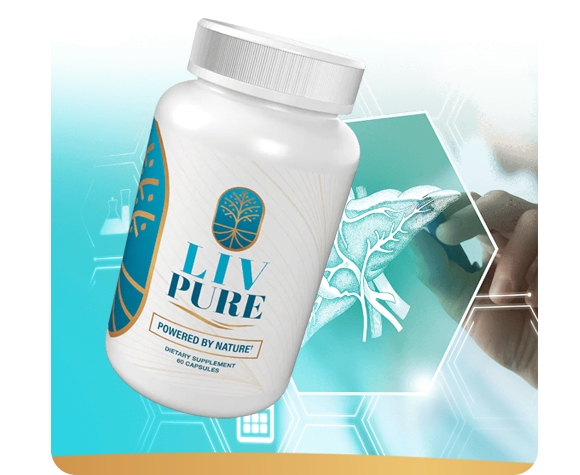
LivPure
Milk-thistle silymarin, betaine, berberine and glutathione give LivPure its liver-support focus, alongside antioxidants from green tea. Silymarin and glutathione contribute antioxidant support, while betaine and choline are involved in normal liver fat processing. In the context of mindful eating, the formula’s nutritional support is distinct from counseling and regular eating-pattern treatment.
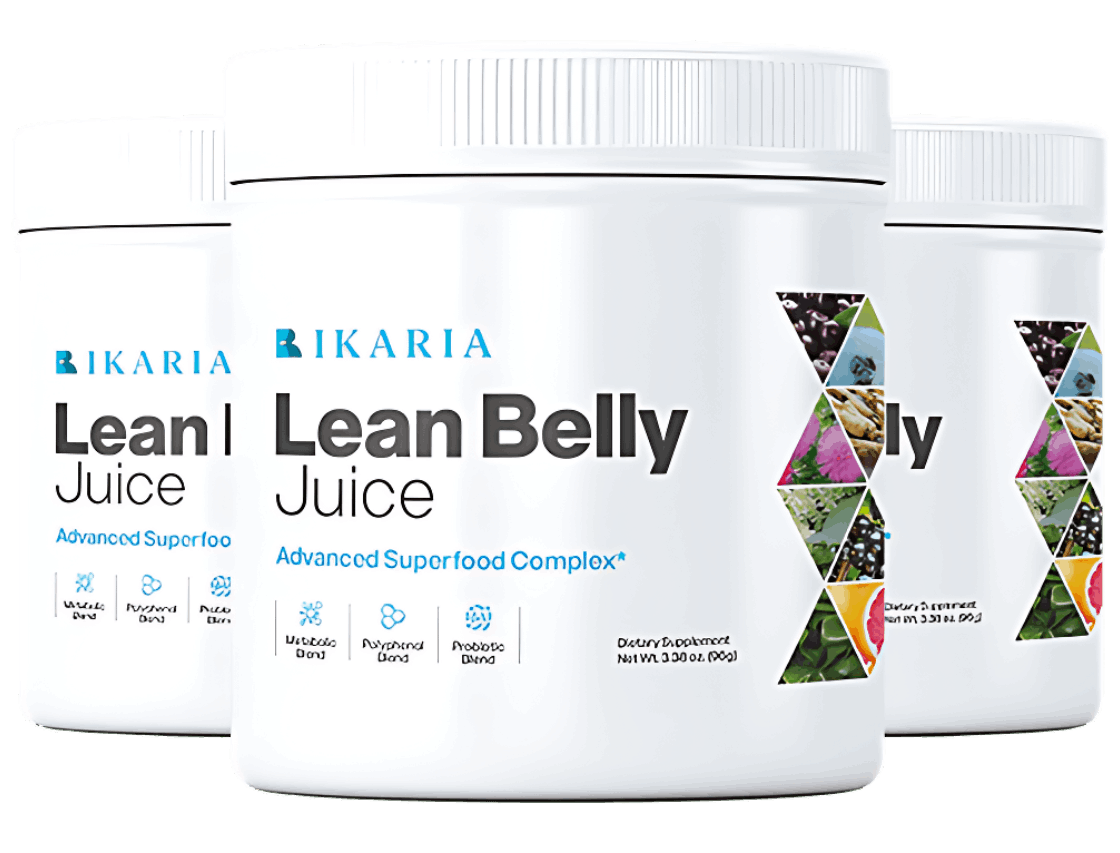
Ikaria Juice
Ikaria Lean Belly Juice brings together plant antioxidants from green tea, berries and beetroot with prebiotic inulin and probiotic cultures for digestive wellness. Inulin helps nourish beneficial gut bacteria; the fruit and green-tea extracts add an antioxidant-focused complement. During care for mindful eating, its prebiotic-and-probiotic blend serves digestive comfort, not the behavioral cause of eating episodes.
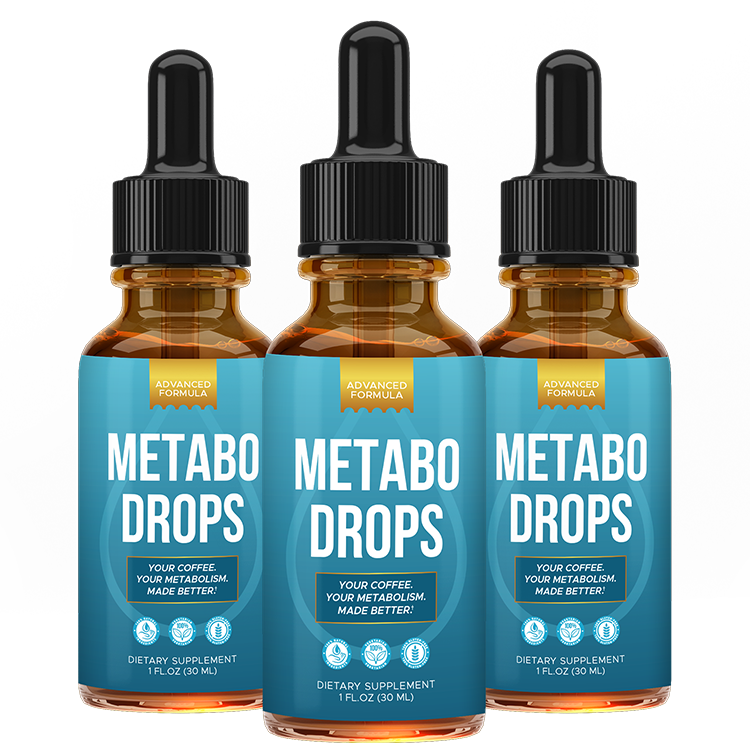
Metabo Drops
Metabo Drops is a coffee-mix formula combining chromium for normal macronutrient metabolism with chlorogenic acid, green tea, L-carnitine and L-theanine. Its chromium and chlorogenic-acid combination targets everyday carbohydrate metabolism, while L-carnitine relates to cellular energy production. In the context of mindful eating, the formula’s nutritional support is distinct from counseling and regular eating-pattern treatment.

Java Burn
Java Burn uses a coffee-mix format to deliver green tea, chlorogenic acid, L-carnitine, chromium and vitamins B6 and B12 for nutritional metabolism and energy. Green-tea catechins and green-coffee chlorogenic acids are its plant extracts, with chromium supporting normal carbohydrate, fat and protein metabolism. In the context of mindful eating, the formula’s nutritional support is distinct from counseling and regular eating-pattern treatment.

Nagano Tonic
Nagano Tonic is a powdered drink mix made with botanicals and nutrients including camu camu, green-tea EGCG, mangosteen, ginger and inulin. Its formula is promoted for daily metabolic, energy and digestive support; it is not a substitute for balanced nutrition or medical care. When comparing options alongside mindful eating, review the ingredient label and seller terms before ordering.
Frequently Asked Questions
the listed ingredients do not provide independent clinical evidence proving that any of the five products causes meaningful, durable weight loss.
No. Facility registration and manufacturing compliance do not mean the FDA has approved a dietary supplement for effectiveness.
First determine every caffeine-containing ingredient and your total daily intake. People with palpitations, anxiety, sleep problems, pregnancy or relevant medications should discuss caffeine and concentrated extracts with a clinician.
Look for the amount of each active ingredient, not just the blend's total weight. If individual amounts are hidden, it is difficult to compare the formula with research or assess ingredient-specific risks.