How to read hunger, fullness and cravings without obeying a rigid scale
Appetite cues vary from day to day and are not always clear. The aim is to combine body information with practical judgment, not to wait for perfect hunger or stop at an exact fullness number. If eating repeatedly feels out of control, support from a qualified clinician is more appropriate than escalating appetite-suppressant products.
Recognize more than a growling stomach
Hunger may appear as stomach emptiness, thoughts about food, irritability, poor concentration, shakiness or low energy. Waiting for intense stomach sensations can lead to delayed eating, especially for people whose early cues are subtle.
A craving is usually more specific than general hunger, but the two can coexist. Eating a desired food can be a reasonable response; first decide whether you also need enough food for a meal or substantial snack.
- Early appetite: food becomes interesting and concentration starts to drift.
- Moderate hunger: stomach sensations or a clear desire to eat become prominent.
- Urgent hunger: shakiness, headache, nausea or irritability may narrow choices.
- Craving: a particular taste, texture or experience feels especially appealing.
Treat fullness as a changing range
Comfortable fullness differs with meal composition, activity, stress and how long it will be until the next opportunity to eat. You may intentionally eat beyond a light sense of fullness before travel or stop earlier when another course is coming.
Mid-meal, assess comfort and ongoing enjoyment. If both remain positive, continuing can make sense. If discomfort is rising or the food no longer appeals, pausing gives you time to decide without making leftovers mandatory. Regular meals and a realistic response to stress cues are more useful than trying to erase hunger after an eating episode.
- Ask whether physical pressure feels absent, comfortable or uncomfortable.
- Notice whether flavor remains enjoyable or has become neutral.
- Consider access: when will food next be available?
- Remember that a pause is not a pledge to stop eating.
Recommended Products
Why cues can be hard to detect
Irregular meals, chronic dieting, sleep loss, stress, certain medications, gastrointestinal conditions and intense exercise can alter appetite. Children, older adults and people with some medical conditions may also have cues that do not reliably cover nutritional needs.
Use external structure when internal signals are unreliable: regular meals, planned snacks and clinician-directed nutrition targets can coexist with sensory awareness. Mindfulness does not require ignoring a treatment plan.
Seek individualized support when needed
Talk with a physician or registered dietitian if appetite changes persist, eating causes pain, swallowing is difficult, weight changes unexpectedly or diabetes treatment makes meal timing important. Urgent symptoms such as fainting, confusion or severe weakness require prompt medical attention.
Run experiments instead of imposing rules
When a pattern bothers you, form a testable explanation. If you feel out of control around dinner, test whether eating a larger lunch or afternoon snack changes the experience for three to five days.
Judge the experiment by energy, concentration, comfort and satisfaction. A useful change should make eating more workable, not merely create a new standard to fail.
- Morning nausea: try a smaller, easy-to-tolerate breakfast and reassess later.
- Afternoon cravings: compare days with and without a substantial lunch.
- Nighttime hunger: check whether dinner listed enough food and included enjoyable components.
- Rapid eating: take one planned pause without forcing an artificially slow pace.
Supplements for Mindful Eating

LivPure
Milk-thistle silymarin, betaine, berberine and glutathione give LivPure its liver-support focus, alongside antioxidants from green tea. Berberine is included for metabolic wellness, while milk thistle and glutathione focus on liver and cellular antioxidant support. In the context of mindful eating, the formula’s nutritional support is distinct from counseling and regular eating-pattern treatment.
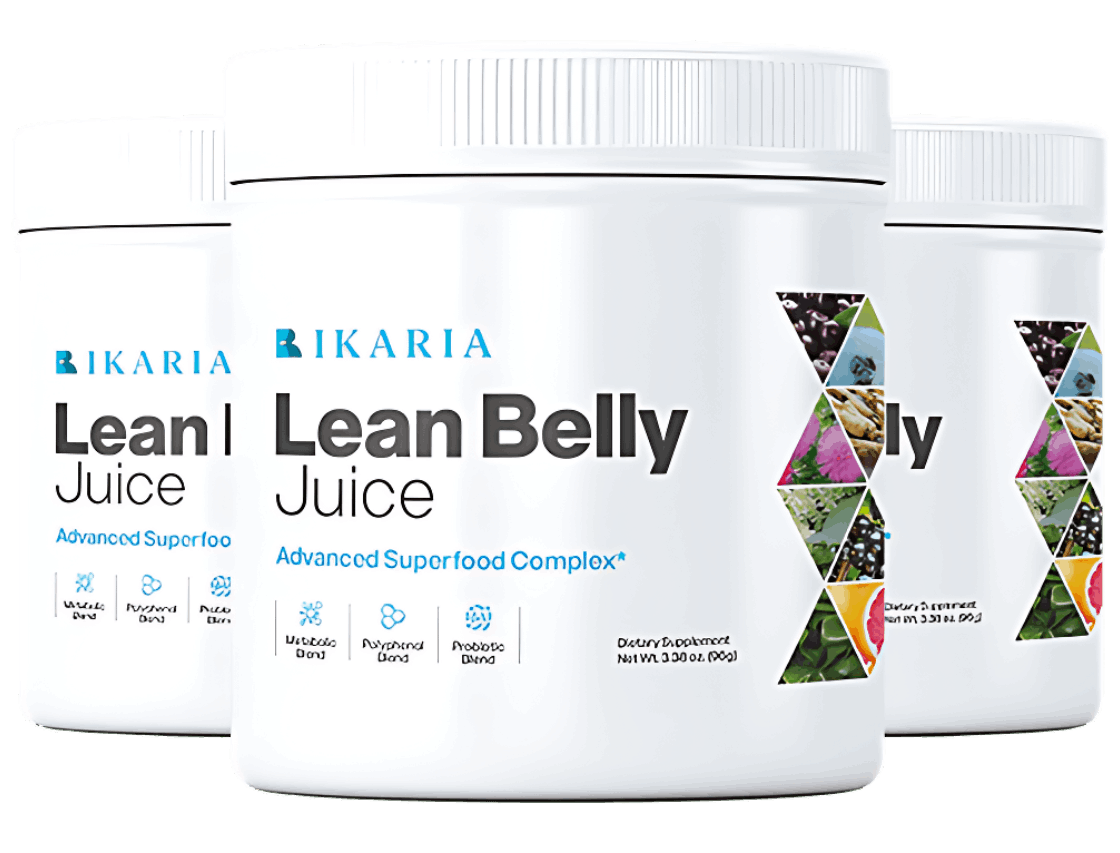
Ikaria Juice
The Ikaria Juice drink mix contains turmeric, milk thistle, green-tea extract and fruit polyphenols, plus fiber and probiotics for gut balance. Its digestive blend supports beneficial gut organisms and regularity, alongside antioxidant-rich extracts from berries and green tea. During care for mindful eating, its prebiotic-and-probiotic blend serves digestive comfort, not the behavioral cause of eating episodes.
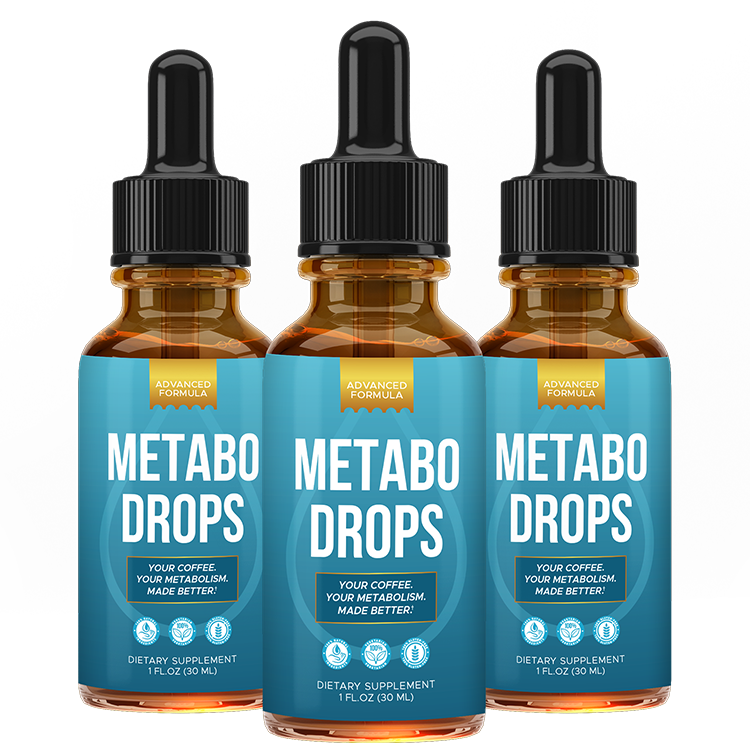
Metabo Drops
Metabo Drops concentrates on metabolic wellness and steady daytime energy, using chlorogenic acid, green tea, chromium and L-carnitine in a tasteless coffee additive. Green tea and chlorogenic acid supply plant polyphenols, while chromium and L-carnitine give the formula its nutrient-metabolism focus. In the context of mindful eating, the formula’s nutritional support is distinct from counseling and regular eating-pattern treatment.

Java Burn
The Java Burn coffee formula brings together green tea, green coffee bean extract, chromium, L-carnitine and L-theanine to support everyday metabolic function and alertness. Green-tea catechins and green-coffee chlorogenic acids are its plant extracts, with chromium supporting normal carbohydrate, fat and protein metabolism. In the context of mindful eating, the formula’s nutritional support is distinct from counseling and regular eating-pattern treatment.

Nagano Tonic
Nagano Tonic is a powdered drink mix made with botanicals and nutrients including camu camu, green-tea EGCG, mangosteen, ginger and inulin. Its formula is promoted for daily metabolic, energy and digestive support; it is not a substitute for balanced nutrition or medical care. When comparing options alongside mindful eating, review the ingredient label and seller terms before ordering.
Frequently Asked Questions
No. Scheduling, medication needs, food availability and anticipated activity can justify eating before clear hunger develops.
Usually a craving alone cannot identify a deficiency. Cravings can reflect hunger, habit, reward, restriction, context or preference; persistent symptoms of deficiency need clinical assessment.
Look first at meal timing, earlier restriction, distractions and satisfaction. If episodes involve loss of control, marked distress or compensatory behaviors, consult an eating-disorder-informed professional. Review meal composition and sleep patterns before assuming a stronger suppressant is needed.