A realistic mindful-eating practice for meals, snacks and busy days
The easiest practice is brief, specific and attached to something you already do. Choose one meal or snack a day, test one exercise for a week and keep only what provides useful information. Notice whether the urge follows fatigue, loneliness, restriction or a specific setting; the appropriate response depends on the trigger.
Use the arrive, taste, check method
Arrive by taking one breath and noticing your posture, mood and physical appetite. Taste by giving the opening bites enough attention to detect temperature, texture and flavor. Check once later to decide what you need next.
This structure avoids turning a meal into a prolonged meditation. On a rushed day, the entire sequence can take less than a minute.
- Arrive: identify the strongest body sensation or emotion.
- Taste: pay attention to the first three bites or sips.
- Check: ask whether you want more, need a pause or would prefer another food.
- Close: notice comfort and satisfaction without writing a verdict.
Make a meal satisfying, not merely filling
Physical fullness does not guarantee satisfaction. A meal can be voluminous yet leave you searching the kitchen if it lacks an appealing flavor, enough energy or the texture you wanted.
Before adding more of the same food, identify what is missing. The answer might be crunch, warmth, sweetness, saltiness, protein, starch or permission to eat the food you initially wanted.
- If lunch feels insubstantial, add a meaningful side rather than trying to ignore hunger.
- If a craving remains after a substitute, consider having the desired food deliberately.
- If the portion was too small, take more without treating the first serving as a contract.
- If you are comfortably full but not satisfied, pause and revisit the choice later.
Recommended Products
Work with emotional and distracted eating
Eating for comfort is a common human behavior. Mindfulness creates a decision point: identify the emotion, decide whether food would help and consider whether another response is also needed.
If you choose food, portioning it and tasting it may make the experience more satisfying. If you choose another response, make it concrete, such as texting a friend, stepping outside for five minutes or ending a work task.
Use a both-and response
You do not have to prove that hunger is purely physical. You might eat the snack and address the stressful email, or enjoy dessert and seek support for loneliness. This is more realistic than demanding that food never serve an emotional function.
Review patterns without creating another diet
At the end of a week, look for practical patterns instead of scoring individual foods. Frequent afternoon urgency might point to a small lunch; evening grazing might reflect fatigue, delayed dinner or a lack of satisfying foods earlier.
Change one condition and observe the result. For example, add a planned afternoon snack for several days before concluding that you lack self-control at night.
- Track context, appetite, satisfaction and comfort only if the notes feel neutral.
- Look for repeated situations rather than isolated meals.
- Prefer experiments such as earlier lunch or a larger breakfast over food bans.
- Discard tracking if it increases guilt, rigidity or compulsive checking.
Supplements for Mindful Eating

LivPure
LivPure brings together silymarin, berberine, betaine and choline in a formula aimed at liver wellness, energy metabolism and cellular antioxidant defense. Silymarin and glutathione contribute antioxidant support, while betaine and choline are involved in normal liver fat processing. In the context of mindful eating, the formula’s nutritional support is distinct from counseling and regular eating-pattern treatment.
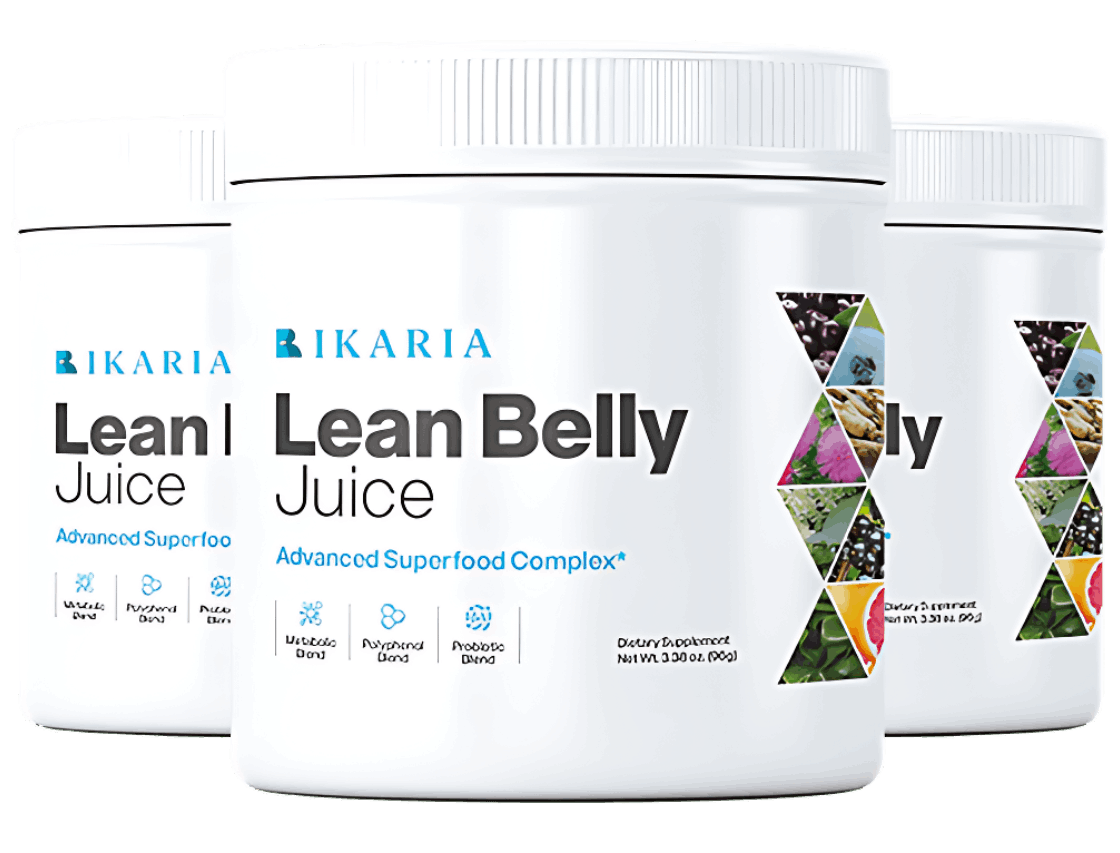
Ikaria Juice
The Ikaria Juice drink mix contains turmeric, milk thistle, green-tea extract and fruit polyphenols, plus fiber and probiotics for gut balance. The combination of probiotic cultures, prebiotic fiber and botanical polyphenols targets gut comfort and everyday metabolic health. During care for mindful eating, its prebiotic-and-probiotic blend serves digestive comfort, not the behavioral cause of eating episodes.
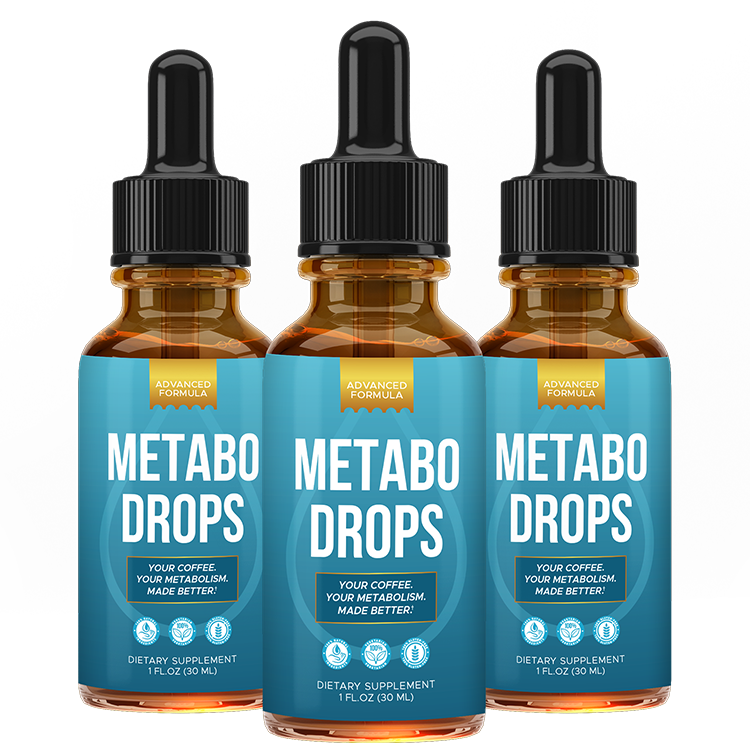
Metabo Drops
Metabo Drops adds chlorogenic acid, green-tea extract, chromium, L-carnitine and L-theanine to coffee in an easy-to-mix liquid. The coffee-mix approach aims to support metabolic efficiency and steady daytime energy, with L-theanine helping balance alertness. In the context of mindful eating, the formula’s nutritional support is distinct from counseling and regular eating-pattern treatment.

Java Burn
The Java Burn coffee formula brings together green tea, green coffee bean extract, chromium, L-carnitine and L-theanine to support everyday metabolic function and alertness. Green-tea catechins and green-coffee chlorogenic acids are its plant extracts, with chromium supporting normal carbohydrate, fat and protein metabolism. In the context of mindful eating, the formula’s nutritional support is distinct from counseling and regular eating-pattern treatment.

Nagano Tonic
Nagano Tonic is a powdered drink mix made with botanicals and nutrients including camu camu, green-tea EGCG, mangosteen, ginger and inulin. Its formula is promoted for daily metabolic, energy and digestive support; it is not a substitute for balanced nutrition or medical care. When comparing options alongside mindful eating, review the ingredient label and seller terms before ordering.
Frequently Asked Questions
There is no required duration. Give yourself enough time to notice the food and make at least one conscious decision, even if the meal remains brief.
Use a short retrospective check: note satisfaction, comfort and anything you would change next time. Remembering afterward is still practice.
Only if it produces useful, nonjudgmental information. Stop if recording increases anxiety, rigid rules or preoccupation with eating. The food itself should provide meaningful protein and fiber, not only a low calorie count.